How I Built My Emergency Fund Without Feeling Broke – A Real Talk Guide
You never know when life will throw a curveball—a car breakdown, a sudden medical bill, or an unexpected job loss. That’s why I finally took my emergency fund seriously. I used to think it was just for “rich people” or those with perfect budgets, but I was wrong. After years of living paycheck to paycheck, I found a method that actually worked—without sacrificing my sanity or my social life. This is how I did it, and how you can too. It wasn’t about making drastic cuts or earning more overnight. It was about changing my mindset, building small habits, and staying consistent even when progress felt slow. The truth is, financial security doesn’t come from a single big decision. It comes from repeated, intentional choices that add up over time. And the most powerful choice I made was deciding that protection mattered more than perfection.
The Wake-Up Call: Why I Finally Took My Emergency Fund Seriously
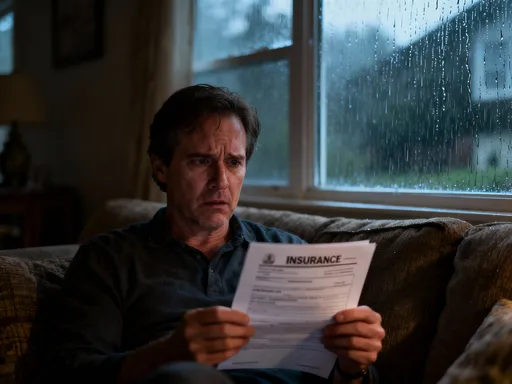
It was a Tuesday morning when my car broke down on the way to work. Nothing dramatic—just a strange noise, then a sputter, and finally, silence. I called a tow truck, got an estimate, and learned I needed a repair that would cost nearly $900. At the time, I had less than $200 in my checking account. I remember sitting in the mechanic’s waiting room, heart racing, scrolling through credit card options and loan apps, trying to figure out how to cover it without wrecking my credit. That moment wasn’t just about a broken car. It was about realizing I had no backup plan. I had always told myself I’d save “someday,” but now “someday” had arrived—and I was completely unprepared.
The experience left me feeling embarrassed and anxious. I had a stable job, paid my bills on time, and even managed to go out with friends occasionally. But I was one unexpected expense away from financial chaos. What made it worse was the ripple effect: I ended up putting most of the repair on a credit card with a high interest rate, and it took me over a year to pay it off, with hundreds of dollars in interest. That single event changed my perspective. I realized an emergency fund wasn’t about luxury or over-preparation. It was about dignity. It was about not having to panic when life didn’t go as planned. From that day forward, I decided I would never again be caught defenseless by a surprise bill.
This shift wasn’t just practical—it was emotional. For the first time, I saw savings not as something I did after everything else was taken care of, but as a core part of my financial health. I stopped viewing it as optional and started treating it like insurance. After all, no one skips car insurance just because they haven’t had an accident yet. So why was I treating financial protection any differently? That mindset change was the real turning point. It allowed me to prioritize saving not when I had extra, but as a non-negotiable part of my monthly budget—just like rent or groceries.
Debunking the Myths: What an Emergency Fund Really Is (and Isn’t)
Before I could build an emergency fund that worked, I had to clear up some confusion about what it actually is. I used to think it was just another savings goal—something I could dip into for a weekend getaway or a new laptop when mine slowed down. But that’s not what an emergency fund is for. A true emergency fund is reserved for real financial emergencies: sudden job loss, urgent home or car repairs, unexpected medical costs, or essential family needs that can’t wait. It’s not meant for wants, upgrades, or planned expenses like holidays or home renovations. Mixing those up is one of the biggest reasons people struggle to build or maintain their fund.
Another common myth is that you need to save six months’ worth of expenses before you’ve “done it right.” While that’s a solid long-term goal for many, it can feel so overwhelming that it stops people from starting at all. The truth is, even $500 can make a difference. Research from the Federal Reserve shows that nearly one-third of American adults wouldn’t be able to cover a $400 emergency with cash. So if you can save even a small amount, you’re already ahead of the curve. The goal isn’t perfection—it’s progress. Starting small builds confidence and momentum, which are just as important as the dollar amount.
Some people believe they don’t earn enough to save, but the reality is that building an emergency fund is less about income and more about intention. I know single parents who save $20 a week by skipping one grocery item, and freelancers who set aside 5% of every payment they receive. It’s not about how much you make—it’s about making saving a habit. Others say they’ll start “when things settle down,” but life rarely settles. There will always be a reason to delay: a bill, a celebration, a surprise expense. The best time to start is before you need it. Waiting for the perfect moment means you’re already risking your financial stability.
The 3-Part Framework: Stability, Accessibility, and Discipline
Once I committed to building my emergency fund, I needed a strategy that was simple, realistic, and sustainable. I developed a three-part framework based on stability, accessibility, and discipline. These aren’t complicated financial concepts—they’re practical principles that keep your fund strong and usable when it matters most. Each part plays a critical role, and skipping one can weaken the entire structure.
Stability starts with setting a realistic target based on your personal situation. A common guideline is three to six months of living expenses, but your number may vary. If you’re a single income earner or work in a volatile industry, you might aim for the higher end. If you have multiple income sources or strong job security, three months might be sufficient. I started by calculating my essential monthly costs—rent, utilities, groceries, insurance, and minimum debt payments—and multiplied that by three. That gave me a clear target. But I didn’t expect to reach it overnight. Instead, I broke it into smaller milestones: $500, then $1,000, then $2,500, and so on. This made the goal feel achievable and gave me a sense of progress.
Accessibility means keeping your emergency money where you can get to it quickly, without penalties or delays. This is not the place for long-term investments or locked savings accounts. Your emergency fund should be in a safe, liquid account—like a high-yield savings account at an FDIC-insured bank. I moved mine to a separate online bank, which made it just inconvenient enough to prevent casual withdrawals but easy to access in a real emergency. The key is balance: the money must be protected from market risk but still available when needed. I avoided stocks, bonds, or retirement accounts for this purpose because they can lose value or come with early withdrawal penalties.
Discipline is the hardest but most important part. It means treating your emergency fund with respect. That includes automating transfers so you save before you have a chance to spend, and creating clear rules about what counts as a true emergency. I set up a recurring transfer of $75 every payday—less than the cost of a weekly coffee run. Over time, it added up without me noticing. I also made a personal rule: no withdrawals unless it was a job loss, medical emergency, or essential repair. That discipline kept me from dipping into the fund for non-urgent things, which could have derailed my progress.
Matching the Method to Your Life: Customizing Your Approach
One size does not fit all when it comes to emergency funds. What works for a dual-income couple with no kids might not work for a single parent or a freelance worker. The key is customization. I learned this the hard way when I tried to follow a “one-size-fits-all” budget that required cutting out all dining out and entertainment. I lasted two weeks before giving up. Instead, I focused on what I could sustain—not what looked good on paper.
If you’re a freelancer or have irregular income, building an emergency fund requires extra planning. I started by calculating my average monthly income over the past year and using that to set my expense baseline. Then, I prioritized saving a little every time I got paid—even if it was just 5%. I treated it like a business expense, not a luxury. For those paying off high-interest debt, the question often arises: should you save or pay down debt first? Many financial experts recommend starting with a small “starter” emergency fund of $500 to $1,000 before aggressively tackling debt. This prevents you from going back into debt when an emergency hits, which is exactly what happened to me with my car repair.
Single earners or those with dependents may need a larger fund due to higher financial risk. If you’re the only income source for your household, losing your job could be devastating. In that case, aiming for six months of expenses makes sense. On the other hand, dual-income households might be able to rely on one income temporarily, allowing for a slightly smaller buffer. The goal is to match your fund size to your level of risk, not to compare yourself to others. Progress is personal. Some people save $20 a week. Others save $200 a month. What matters is consistency, not speed.
The most important thing is to start where you are. If $10 a week is all you can manage, that’s valid. If you can save more during high-earning months and less during lean ones, that’s also valid. The point is to build a habit that fits your life, not to follow a rigid formula that sets you up for failure. Financial health isn’t about perfection. It’s about showing up, even in small ways, over and over again.
The Hidden Traps: Where People Go Wrong (and How to Avoid Them)
Even with the best intentions, many people sabotage their emergency funds without realizing it. I almost did the same. One of the most common traps is using the fund for non-emergencies. It’s easy to justify a “small” withdrawal—for a sale item, a concert ticket, or a minor home upgrade. But each time you do, you weaken your financial safety net. I once used $300 from my fund to replace a perfectly working kitchen appliance because it was on sale. It felt smart at the time, but when my water heater broke a month later, I was scrambling again. That taught me the importance of clear rules.
Another trap is keeping the money in a low-yield account that doesn’t keep up with inflation. If your savings account earns 0.01% interest, your money is losing value over time. I used to keep my emergency fund in a traditional bank with almost no return. Then I moved it to a high-yield savings account that offered over 4% APY. The difference wasn’t life-changing overnight, but over a few years, it added hundreds of dollars in extra growth—without any additional risk. Safety is essential, but that doesn’t mean ignoring modest gains.
Emotional spending is another silent killer. Stress, excitement, or even boredom can lead to impulsive decisions. I noticed that I was more tempted to dip into my fund during times of personal stress, even when there was no real emergency. To protect against this, I created a “cooling-off” rule: if I thought I needed to use the fund, I had to wait 48 hours and get a second opinion from a trusted friend. That simple pause prevented several near-mistakes.
Finally, many people give up after a setback. If you have to use your fund, it’s not a failure—it’s the fund doing its job. The key is to start rebuilding as soon as possible. I used mine during a temporary job gap and felt discouraged. But instead of quitting, I adjusted my timeline and kept going. Recovery is part of the process. The goal isn’t to never use the fund. It’s to have it when you need it and to restore it afterward.
Beyond the Basics: Boosting Growth Without Risking Safety
Once your emergency fund is established, you can look for ways to make it work a little harder—without compromising safety. The priority is always preservation of capital, but that doesn’t mean accepting zero growth. I discovered that moving my fund to a high-yield savings account was one of the easiest financial upgrades I ever made. These accounts are FDIC-insured, just like regular savings accounts, but they offer significantly higher interest rates because they’re often offered by online banks with lower overhead.
Some people also consider short-term certificates of deposit (CDs) or Treasury securities for part of their emergency fund, especially if they have a larger balance. For example, you could keep three months’ worth in a high-yield savings account for immediate access and put the other three months into a short-term CD that matures in six months. This can provide slightly higher returns while maintaining liquidity. The key is to avoid anything with market risk, early withdrawal penalties that could block access, or complexity that makes it hard to understand.
Another strategy is to review your account annually. Interest rates change, and a bank that offered a great rate last year might not still be competitive. I set a calendar reminder every January to check my options and switch if needed. Many online banks make it easy to transfer funds with no fees. This small habit ensures my money continues to earn a fair return without requiring constant attention.
The goal isn’t to maximize returns—that’s what investment accounts are for. The goal is to minimize loss of value due to inflation while keeping the money safe and accessible. Even a modest interest rate can make a meaningful difference over time, especially as your balance grows. Think of it as a bonus for being responsible—one that helps your fund maintain its purchasing power and reduces the amount you need to contribute out of pocket.
The Peace That Comes With Preparedness: More Than Just Money
Now, when something goes wrong—a flat tire, a broken dishwasher, a surprise vet bill—I don’t panic. I assess the situation, make a plan, and pay for it without touching my credit card or borrowing from friends. That calmness is priceless. The emotional relief of having a financial cushion is just as valuable as the dollars in the account. I sleep better knowing I’m not one setback away from stress or debt. That peace of mind has improved my relationships, my decision-making, and even my overall well-being.
Having an emergency fund has also given me more freedom. I’m no longer afraid to say no to things I can’t afford, because I don’t feel desperate. I can make choices based on what’s best for me and my family, not out of fear. When my job had a restructuring last year, I didn’t rush into the first offer that came along. I took time to evaluate my options because I knew I had a few months of expenses covered. That ability to pause and think clearly is a direct result of financial preparedness.
Looking back, I realize that building my emergency fund wasn’t just about money. It was about self-respect. It was about saying that I deserve protection, stability, and peace. It didn’t require a huge income or perfect discipline—just a decision to start and the willingness to keep going. If you’re reading this and feeling behind, remember: it’s never too late to begin. Your future self will thank you for every dollar you save today. An emergency fund isn’t a luxury. It’s a foundation. And once you have it, you’ll wonder how you ever lived without it.