How I Finally Took Control of My Money — A Real Budget Planning Fix
Ever feel like your paycheck disappears before you even see it? I used to stress over every bill, living in constant “Where did it all go?” mode. Then I changed how I managed my funds — not with extreme cuts, but with a smarter budget plan. It wasn’t magic, just practical steps that actually work. This is how I went from financial chaos to calm, and how you can too — without the jargon, guilt, or unrealistic promises. Budgeting doesn’t have to mean giving up everything you love. It’s about making your money reflect your life, not control it. And the best part? It’s never too late to start, no matter where you are right now.
The Breaking Point: When Budgeting Became Non-Negotiable
For years, I treated my finances like background noise — something I knew was there but didn’t want to deal with. I paid my bills on time, avoided overdraft fees, and told myself I was doing “fine.” But fine wasn’t enough. The truth came crashing in when my washing machine died on a Tuesday night. It wasn’t an emergency in the medical sense, but for me — a single parent managing a household — it felt like one. The repair cost was over $300, and I didn’t have it set aside. I ended up putting it on a credit card, adding stress to an already frustrating situation. That moment was my wake-up call. I wasn’t living paycheck to paycheck because I didn’t earn enough; I was living that way because I had no clear picture of where my money was going.
That experience forced me to confront a common myth: that budgeting is only for people in crisis. I believed I didn’t need a budget because I wasn’t drowning in debt or skipping meals. But the reality is, a budget isn’t just a survival tool — it’s a planning tool. It’s what helps you prepare for the unexpected, not just react to it. Without one, every surprise expense becomes a crisis. With one, even a broken appliance can be managed without panic. I realized that financial control isn’t about having more money; it’s about making intentional choices with the money you already have. That shift in thinking was the first real step toward change.
Many women in their 30s, 40s, and 50s find themselves in similar positions — managing households, caring for children or aging parents, and juggling multiple responsibilities. Money often becomes the last thing on the list, yet it impacts every part of life. Ignoring it doesn’t make it go away; it just makes the eventual reckoning harder. My breaking point wasn’t dramatic by societal standards, but it was personal and powerful. It taught me that financial stability isn’t about perfection — it’s about awareness. Once I admitted I didn’t have a handle on my money, I opened the door to fixing it. And that admission, small as it seemed, was the most important decision I made.
Rethinking Budgeting: From Restriction to Empowerment
When I first tried budgeting, I approached it like a diet — something strict, temporary, and punishing. I’d set rigid limits, only to break them within days, then feel guilty and give up. I thought budgeting meant cutting out all joy: no lattes, no online shopping, no dinners out. But that mindset set me up for failure. The truth is, a budget that feels like deprivation won’t last. Lasting change comes not from restriction, but from clarity and choice. The real breakthrough happened when I stopped asking, “Can I afford this?” and started asking, “Does this align with my goals?” That small shift changed everything.
Budgeting is not about saying no to everything you enjoy. It’s about saying yes to what matters most. When I began viewing my budget as a tool for empowerment rather than limitation, it became something I looked forward to, not feared. For example, I love traveling with my family. Instead of feeling guilty about spending on trips, I built travel into my plan as a priority. That meant adjusting other areas — like dining out less or delaying non-essential purchases — but those trade-offs felt intentional, not forced. I wasn’t denying myself; I was choosing differently. That sense of control replaced anxiety with confidence.
This mindset shift is especially important for women who often carry the emotional weight of household finances. We’re not just managing money — we’re managing peace of mind, security, and family well-being. A budget that supports those values feels less like a spreadsheet and more like a roadmap. It gives you permission to spend on what brings joy, as long as it’s part of a bigger plan. When you stop seeing money as a source of stress and start seeing it as a resource you direct, you reclaim power. And that power isn’t about wealth — it’s about agency. You’re no longer at the mercy of random expenses or impulsive decisions. You’re in charge, making choices that reflect your life, not reacting to circumstances.
Building a Budget That Actually Works (Not Just Looks Good)
I’ve tried nearly every budgeting method out there, and most failed because they were too rigid or didn’t fit my real life. The 50/30/20 rule sounded clean on paper — 50% needs, 30% wants, 20% savings — but my expenses didn’t follow neat percentages. Some months, car repairs pushed my “needs” over 60%. Other months, holiday gifts made “wants” spike. The zero-based budget, where every dollar has a job, felt overwhelming. I’d spend hours assigning funds, only to abandon it when reality didn’t match the plan. What I needed wasn’t perfection — it was flexibility.
What finally worked was a hybrid system built on three core categories: needs, goals, and wants — but with built-in flexibility. I started by listing my true essentials: rent, utilities, groceries, insurance, and minimum debt payments. Then I identified my financial goals: building an emergency fund, paying off credit card debt, and saving for family trips. Everything else went into “wants.” The key difference? I added buffer zones. Instead of rigid caps, I set ranges. Groceries might be $400–$500 a month, depending on sales and family needs. This made the budget adaptable, not brittle.
I also built in space for irregular expenses — things that happen once or twice a year but can wreck a monthly budget if unprepared. Car maintenance, annual subscriptions, school supplies, holiday gifts — I estimated their yearly cost, divided by 12, and set aside that amount each month in a separate category. This turned surprises into planned expenses. For example, if I know I’ll spend $600 on holiday gifts each year, saving $50 a month means no December panic. This method doesn’t require perfect foresight — just reasonable estimates and consistency. Over time, I adjusted based on actual spending, making the plan more accurate and trustworthy.
The goal wasn’t to eliminate fun or spontaneity. It was to make spending intentional. When I wanted to buy something outside the plan, I didn’t just swipe my card — I checked my budget, moved money if needed, and made a conscious choice. This small act of pausing created space between impulse and action. And that space made all the difference. A budget that works isn’t one that looks perfect on paper — it’s one that survives real life. Mine isn’t flawless, but it’s functional, flexible, and sustainable. And that’s what matters.
Tracking Without Obsessing: Tools That Fit Real Life
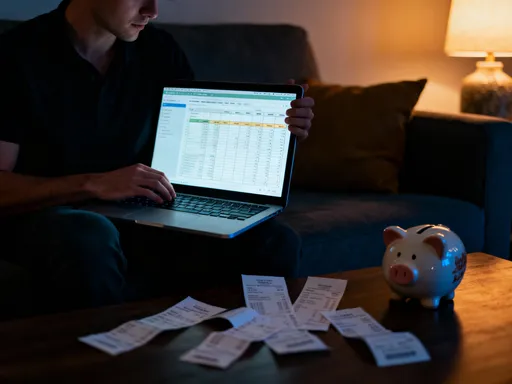
Tracking expenses used to feel like homework — tedious, time-consuming, and easy to skip. I tried multiple apps, each promising simplicity and automation. Some synced with my bank, but categorized transactions incorrectly. Others required manual entry, which I’d forget after a few days. I also experimented with spreadsheets — color-coded and detailed — but maintaining them became a chore. The problem wasn’t the tools; it was the mismatch between the tool and my lifestyle. I needed something low-effort, consistent, and reliable.
What finally worked was a simple hybrid approach: automated tracking with weekly check-ins. I use a finance app that connects to my accounts and pulls in transactions automatically. But instead of reviewing it daily, I set a recurring 20-minute appointment every Sunday to review the week’s spending. I check categories, adjust misclassified items, and compare actual spending to my budget. This weekly rhythm keeps me informed without overwhelming me. If I overspent in one area, I can shift funds from another before it becomes a problem. The key is consistency, not frequency. Spending 20 minutes once a week is far more sustainable than five minutes every day that I’ll likely skip.
For cash spending — which apps can’t track — I keep a small notebook in my purse. I jot down purchases right after making them: coffee, parking, a gift. Then I enter them into the app during my weekly review. It’s not glamorous, but it’s honest. This method respects the reality that life is busy, especially for women managing homes and families. You don’t need to be perfect — you just need to be regular. The goal isn’t to track every penny out of obligation, but to stay aware enough to make good decisions. When you know where your money goes, you stop feeling guilty and start feeling in control.
Technology can help, but it’s not the solution by itself. The best tool is the one you’ll actually use. For some, that’s an app. For others, it’s pen and paper. For me, it’s a mix. The important thing is to remove friction. If tracking feels like a burden, you’ll quit. If it feels manageable, it becomes a habit. And habits, not systems, are what sustain long-term financial health. Over time, checking my budget became as routine as checking my email — not because I love it, but because it protects my peace of mind.
Taming the Surprise Expenses (Because Life Happens)
No matter how well you plan, life throws curveballs. A child’s braces, a roof leak, a pet’s vet bill — these aren’t luxuries or mistakes. They’re part of real life. For years, these expenses derailed my budget and left me stressed. I’d make progress, then one unexpected cost would wipe it out. I finally realized I needed a system to absorb shocks without collapsing the whole plan. The solution wasn’t to predict every possible emergency — that’s impossible — but to treat surprises as predictable in their unpredictability.
I started by creating micro-funds — small, dedicated savings pools for common but irregular expenses. I opened separate savings sub-accounts for things like car repairs, home maintenance, medical costs, and pet care. Each month, I set aside a modest amount into each — $25 for car, $20 for home, $15 for pets. These aren’t large sums, but they add up. When a flat tire cost $120, I paid from the car fund instead of my checking account or credit card. No panic, no debt. The fund gets replenished over time, ready for the next issue.
This approach changed my relationship with emergencies. Instead of fearing them, I see them as part of the cycle. I also built a general “flex” category in my monthly budget — a small amount, say $75, that acts as a cushion for minor surprises. If I overspend on groceries one week, I pull from flex. If I need to replace a kitchen appliance, I combine flex with my home fund. This layered system keeps my core budget intact. The essentials still get paid, the goals keep moving forward, and I don’t have to scramble.
Having these safeguards doesn’t eliminate stress completely — no system can — but it reduces the financial shock. It’s like wearing a seatbelt: you hope you never need it, but you’re glad it’s there. For women managing households, this kind of preparation brings a quiet confidence. You know you’re not perfect, but you’re prepared. And that preparation means you can handle life’s surprises without sacrificing your long-term stability.
Making Trade-Offs That Don’t Feel Like Punishment
Every budget involves trade-offs. The difference between failure and success is whether those trade-offs feel like sacrifices or choices. Early on, I resented cutting back — it felt like I was missing out. But when I linked my spending to my values, the same cuts felt like progress. For example, I wanted to take my daughter on a trip to visit her grandmother. That meant pausing my subscription box habit and cooking at home more. But because the trip mattered more, those changes didn’t feel like losses — they felt like investments.
I started framing trade-offs as “funding my priorities.” If I wanted to save $1,200 for a family vacation in a year, that was $100 a month. To free up $100, I could cancel two streaming services, pack lunches instead of buying them, and limit impulse buys. Each of these was small, but together they created space for something meaningful. The key was intentionality. I wasn’t just cutting — I was redirecting. And that made the difference between feeling deprived and feeling empowered.
This approach works because it aligns money with meaning. When you know why you’re making a trade-off, it’s easier to stick with it. I also allowed myself occasional splurges — a new dress, a dinner out — as long as they fit within my “wants” category. Budgeting isn’t about never spending; it’s about spending on purpose. Over time, I got better at estimating what I truly valued. I stopped buying things to soothe stress and started spending to support my life goals. That shift didn’t happen overnight, but it was lasting.
For many women, this balance is essential. We’re often expected to do more with less — emotionally, physically, financially. A budget that acknowledges this reality, rather than ignoring it, is more likely to succeed. It’s not about austerity; it’s about alignment. When your spending reflects your priorities, you don’t feel like you’re missing out. You feel like you’re building something real.
From Budgeting to Building: How Control Leads to Growth
Once I had a stable budget, I shifted from managing money to growing it. That didn’t mean risky investments or get-rich-quick schemes. It meant using my newfound control to make strategic moves. The first step was building a fully funded emergency savings — three to six months of essential expenses. I started small, $20 a week, and increased it as my budget tightened. That fund became my financial anchor, reducing anxiety and giving me breathing room.
With that safety net in place, I turned to debt. I used the avalanche method — paying off high-interest debt first — while still maintaining my budget. Every extra dollar went toward credit cards, not new purchases. As balances dropped, I redirected those payments into savings and small investments. I opened a low-cost index fund and began contributing monthly. It wasn’t a large amount at first, but compound growth turned it into something meaningful over time.
Budgeting created the space for these steps. Without it, I’d have been too reactive, too focused on covering bills. With it, I could think ahead. I started planning for bigger goals: a home renovation, early retirement, helping my children with education. These weren’t pipe dreams — they were line items in my long-term plan. And because I was consistent, they became possible.
Financial growth isn’t about earning more — though that helps — it’s about keeping and using what you have wisely. A solid budget isn’t the end goal; it’s the foundation. Once you have control, you can build wealth, reduce stress, and create freedom. That freedom isn’t just financial — it’s emotional. It’s knowing you can handle what comes, that you’re not just surviving, but moving forward.
Your Money, Your Map
Budgeting isn’t about restriction — it’s about direction. When you manage your funds intentionally, you stop reacting and start deciding. What I’ve learned isn’t a perfect system, but a flexible, realistic approach that grows with life. You don’t need a finance degree or a huge salary. You just need a plan that works for you — because the best budget is the one you actually follow. It’s not about never overspending or never facing surprises. It’s about having a framework that helps you recover, adjust, and keep going. For women managing homes, families, and futures, this kind of control is priceless. It brings clarity, reduces stress, and opens doors. Your money isn’t just numbers — it’s your time, your energy, your choices. When you align it with your life, you don’t just balance a budget. You build a future.