How I Slashed Retirement Community Costs Without Sacrificing Comfort
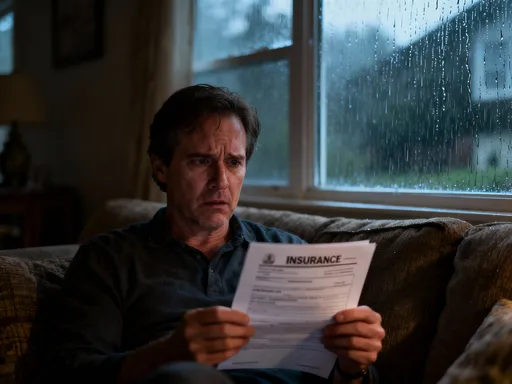
Moving into a retirement community felt like stepping into a new chapter—exciting, but expensive. I quickly realized my budget couldn’t keep up with the fees. Instead of settling, I dug in and found real ways to cut costs without losing quality. From renegotiating fees to smarter healthcare choices, these moves made a difference. If you're navigating this path, you don’t have to overpay. Let me share what actually worked for me—and what I wish I’d known sooner.
The Hidden Price Tag of Retirement Living
Retirement communities often market themselves as worry-free havens where comfort and care come bundled into one predictable monthly bill. Yet beneath the glossy brochures lies a more complex financial reality. What many residents discover too late is that the initial quoted rate rarely tells the full story. Hidden costs emerge in the form of service upgrades, medical add-ons, dining plan requirements, and mandatory activity fees. These incremental charges, often introduced gradually, can inflate the original price by 30% or more over just a few years. Understanding this layered pricing structure is the first and most crucial step toward gaining control over your expenses.
One of the most common financial traps is the so-called “all-inclusive” model that still requires additional payments for specialized care. For example, a resident may pay a base fee for independent living, only to face extra charges once mobility support or medication management becomes necessary. These tiered care levels are standard across many facilities, but the cost jumps between levels are not always transparent. Some communities even include clauses that allow automatic fee increases when a resident transitions to a higher level of care—without requiring prior approval. This lack of clarity can catch families off guard, especially during emotionally charged health transitions.
Another area of concern is the pressure to upgrade housing units within the same community. Marketing teams often present larger apartments or premium views as upgrades that enhance quality of life. While appealing, these upgrades come with significantly higher monthly fees and sometimes additional entrance costs. Residents may feel socially or psychologically nudged toward these options, especially if friends or peers choose them. However, choosing a standard unit with the same core amenities can preserve thousands of dollars annually without sacrificing comfort or safety.
Early warning signs of financial strain should never be ignored. These include frequent small fee increases, lack of written explanations for billing changes, and resistance from management when questions are asked. A transparent community will provide detailed invoices and welcome inquiries about cost structures. If leadership seems evasive or dismissive, it may indicate a culture of financial opacity. Being proactive—requesting a full breakdown of all potential fees before signing any contract—can prevent costly surprises down the road. Knowledge, in this case, is not just power; it’s financial protection.
Choosing the Right Community for Your Budget (Not Just Lifestyle)
Selecting a retirement community is one of the most significant financial decisions many older adults will make. While location, aesthetics, and social opportunities play a role, the long-term affordability of a community should weigh just as heavily. Too often, individuals are drawn to facilities with resort-like amenities—spas, fine dining, and activity centers—only to find that the lifestyle comes with a steep and unsustainable price tag. The key is not to avoid comfort altogether, but to align your choice with both your current needs and your financial boundaries.
Independent living, assisted living, and continuing care retirement communities (CCRCs) each carry different financial implications. Independent living typically offers the lowest entry costs and is ideal for those who need minimal support. Assisted living provides help with daily tasks but comes with higher monthly fees and less flexibility in care customization. CCRCs offer a continuum of care on one campus, which can be convenient, but they often require large entrance fees—sometimes exceeding $200,000—that may only be partially refundable. Evaluating these models through a cost-conscious lens means asking not just what is offered today, but how expenses may evolve over time.
Location also plays a major role in affordability. Communities in urban centers or high-demand areas naturally command higher prices. However, a facility just 20 to 30 miles away—still within reasonable access to family and medical services—can offer the same level of care at a significantly lower cost. This geographic arbitrage is often overlooked, especially when emotions run high during the decision-making process. By expanding the search radius and comparing options in neighboring towns, families can uncover hidden savings without compromising on safety or quality of care.
During tours, it’s essential to ask specific financial questions. What is the average annual increase in monthly fees? Are there any planned capital improvements that could trigger rate hikes? How are entrance fees structured, and what portion is refundable? These details are rarely volunteered by sales representatives, who tend to focus on lifestyle benefits. Yet they are critical for long-term financial planning. One woman in Ohio saved over $65,000 in projected costs over ten years simply by choosing a well-rated but less advertised community in a nearby county. That sum later funded home modifications for her grandchildren and provided a buffer for unexpected medical needs.
Negotiating Fees Like a Pro—Yes, It’s Possible
Many retirees assume that the fees quoted by retirement communities are fixed and non-negotiable. This belief, while common, is fundamentally mistaken. In reality, most communities have some flexibility in pricing, especially when they are trying to fill units or retain long-term residents. The willingness to negotiate is often highest during off-peak seasons—late winter or early spring—when occupancy rates dip and marketing efforts intensify. Recognizing these windows of opportunity can lead to meaningful savings on both entrance fees and monthly charges.
One effective strategy is bundling services. For instance, if a resident plans to use on-site transportation, dining, and housekeeping, combining these into a single package may qualify for a volume discount. Facilities benefit from predictable revenue, and residents benefit from lower per-service costs. This approach works best when presented as a long-term commitment, such as a two- or three-year stay. Managers are more inclined to offer concessions when they anticipate stable occupancy and reduced turnover costs.
Another powerful tool is leveraging competition. If you are considering multiple communities, letting management know—tactfully—can prompt them to match or beat a rival’s offer. This is not about playing one facility against another in a confrontational way, but about demonstrating informed choice. Phrases like, “I’m considering another community that offers a 10% entrance fee discount for early signers—would you be able to offer something similar?” can open the door to discussion. In several documented cases, residents have secured waived application fees, complimentary move-in services, or even partial refunds on entrance costs through polite but firm negotiation.
Timing also matters. Communities often offer seasonal promotions, such as “no entrance fee” months or free trial stays, to boost occupancy. These are not widely advertised but can be discovered through direct inquiry or by working with independent senior living advisors. Additionally, residents who commit to longer stays or who pay a portion of their entrance fee upfront may qualify for rate freezes, locking in current prices for several years. This protection against inflation-driven increases can be one of the most valuable financial safeguards available.
Optimizing Healthcare to Avoid Financial Drift
Healthcare costs represent the fastest-growing segment of retirement community expenses. While basic medical services may be included in the base fee, specialized care—such as physical therapy, chronic disease management, or memory support—often incurs additional charges. These costs can escalate quickly, especially if care needs change unexpectedly. The key to managing this financial pressure is not to avoid care, but to align medical services with coverage and personal needs in the most efficient way possible.
One important decision is whether to use on-site clinics or outside providers. On-site care offers convenience and continuity, but it may come at a premium. Some communities mark up physician visits or lab tests to cover operational costs. In contrast, seeing an external provider—especially one within your Medicare network—can be significantly cheaper. This requires coordination, such as arranging transportation and ensuring records are shared, but the savings can be substantial. For routine checkups and preventive care, many retirees find it more cost-effective to maintain relationships with trusted outside doctors.
Understanding Medicare and supplemental insurance is equally critical. Original Medicare does not cover long-term care, assisted living, or most services provided within retirement communities. However, Medigap policies and Medicare Advantage plans can help fill some gaps. Choosing the right plan—one that covers necessary prescriptions, outpatient services, and emergency care—can prevent out-of-pocket shocks. It’s also wise to review coverage annually during open enrollment, as plan benefits and networks can change. A few hours spent comparing options each year can save hundreds or even thousands in avoidable expenses.
Preventive care is another area where financial and health outcomes align. Regular screenings, vaccinations, and wellness programs can catch health issues early, reducing the likelihood of costly emergencies later. Many communities offer free or low-cost preventive services, yet residents often overlook them. Taking full advantage of these resources is not just good health practice—it’s sound financial planning. By investing in prevention, retirees protect both their well-being and their savings.
Rethinking Daily Spending Inside the Community
While major fees dominate the budget, daily spending habits also contribute significantly to overall costs. Small, recurring expenses—such as guest meals, laundry services, and activity fees—can quietly erode financial stability over time. These charges are often framed as conveniences, but they can carry markups far above market rates. Becoming aware of these internal pricing structures is the first step toward smarter spending without sacrificing enjoyment.
Meal plans are a prime example. Many communities require residents to purchase a minimum number of dining credits each month, even if they prefer to cook in their apartments or eat out with family. Opting out of the mandatory plan—or selecting a lower-tier option—can yield immediate savings. One resident in Florida saved nearly $1,800 per year simply by switching from a full dining package to a pay-per-meal model and hosting more meals at home. Cooking occasionally not only reduced costs but also added variety and personal satisfaction to her routine.
Communication is another overlooked expense. Some communities charge monthly fees for Wi-Fi, cable, or phone services, even though residents may already have personal plans. Cancelling redundant services and using existing mobile or internet subscriptions can eliminate unnecessary charges. Similarly, using personal devices for video calls with grandchildren or online banking avoids reliance on paid community tech services. These small shifts add up, especially when applied consistently across multiple areas.
Social activities, while valuable for mental and emotional health, also come with costs. Trips, classes, and special events often include participation fees that can range from $10 to $50 per outing. While these experiences enhance quality of life, being selective about which ones to join allows for more intentional spending. Creating a monthly activity budget helps prioritize what matters most—whether it’s a weekly art class or an annual theater trip—without overspending on less meaningful events.
Planning Ahead: Building a Buffer Against Future Rate Hikes
One of the most predictable yet underestimated financial challenges in retirement communities is the annual fee increase. Most contracts include escalation clauses that allow management to raise rates based on inflation, operating costs, or staffing needs. These increases typically range from 3% to 6% per year, but in some cases, they exceed 8%, especially after major renovations or staffing overhauls. Over a decade, even a 4% annual increase can nearly double the original cost—turning an affordable plan into a financial burden.
To prepare for this, it’s essential to build a financial buffer. This means setting aside a portion of savings—ideally 6 to 12 months of community fees—into a dedicated reserve account. This cushion provides breathing room when unexpected increases occur and prevents the need for sudden lifestyle cuts or forced moves. It also offers peace of mind, knowing that temporary income fluctuations, such as a delayed pension payment or market dip, won’t jeopardize residency.
Income sources should also be structured for stability and flexibility. Fixed-income instruments like annuities or bond ladders can provide predictable monthly payments that align with community fees. At the same time, maintaining a portion of assets in liquid, low-volatility investments ensures access to cash if larger expenses arise. Diversifying income streams—combining Social Security, pension payments, investment returns, and part-time work—creates a more resilient financial foundation.
Finally, reviewing the contract for escalation terms is crucial. Some communities cap annual increases at a certain percentage, while others tie them to a public index like the Consumer Price Index (CPI). Understanding these mechanisms allows residents to forecast future costs more accurately. In some cases, negotiating a rate freeze for a set period—especially in exchange for a longer stay or upfront payment—can provide valuable protection. Planning for inflation is not pessimism; it’s prudence.
The Mindset Shift That Makes Cost Reduction Sustainable
Ultimately, reducing retirement community costs is not just about numbers—it’s about mindset. Many people hesitate to negotiate, question fees, or opt out of services because they fear appearing difficult, cheap, or ungrateful. Yet financial responsibility is not a character flaw; it’s a form of self-respect. Making intentional choices about spending is not deprivation—it’s empowerment. When framed this way, cost-conscious decisions become a source of confidence rather than shame.
Frugality in retirement should not mean isolation or sacrifice. It means allocating resources where they matter most. One woman reduced her monthly expenses by $400 but used the savings to fund monthly visits from her grandchildren. Another redirected funds to support a local charity that helped families in need. These choices reflect values, not limitations. By focusing on value over visibility, retirees maintain control over their lives and their legacies.
The habits developed through mindful financial management—reviewing bills, asking questions, comparing options—become tools for long-term security. They foster a sense of agency that extends beyond money, influencing health decisions, social engagement, and personal well-being. Over time, these practices create a foundation for a retirement that is not only comfortable but truly free—one where peace of mind is not purchased through spending, but cultivated through wisdom.
Slashing costs in a retirement community isn’t about cutting corners. It’s about cutting through the noise to find what truly matters. With the right strategies, transparency, and mindset, it’s entirely possible to live well without overspending. The goal is not just to save money, but to gain freedom—the freedom to enjoy each day, support loved ones, and face the future with confidence. That’s a retirement worth planning for.