This Is What Happens When You Chase Light and Souvenirs on the Great Barrier Reef
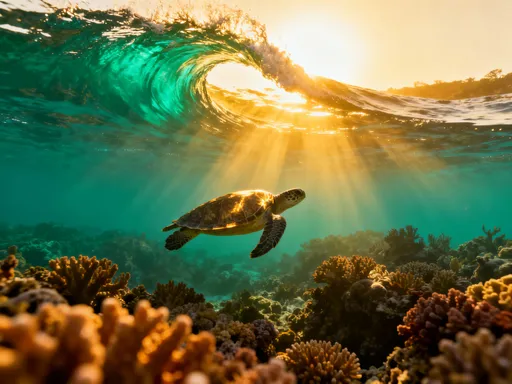
You know that magic moment when golden sunlight cuts through turquoise water, illuminating coral gardens like an underwater cathedral? That’s the Great Barrier Reef—a living masterpiece for photographers and wanderers alike. But beyond the lens, there’s another side: the unexpected joy of finding the perfect keepsake that carries the ocean’s soul. This isn’t just about snaps and shopping—it’s about capturing moments and memories in a place where nature writes poetry. From the hush of dawn over Cairns Harbor to the quiet pride of choosing a handcrafted pendant shaped like a sea turtle, every decision shapes the story. This journey blends artistry with awareness, offering travelers a way to honor the reef not only through images but through mindful choices ashore.
The First Glimpse: Arrival at the Gateway to an Underwater World
The Great Barrier Reef begins not with a splash, but with a sense of rising anticipation. For most visitors, the journey starts in coastal towns like Cairns or Port Douglas—places where the air carries salt and the pace slows just enough to match the rhythm of the tides. Early mornings are alive with soft light and quiet energy as travelers board catamarans and reef vessels bound for the outer edge of the continental shelf. The boat decks hum with whispered conversations, sunscreen bottles clicking open, and the occasional gasp as someone spots the first sign of life: a green sea turtle surfacing for breath, its shell glistening under the rising sun.
These gateways to the reef are more than just launch points—they are thresholds between the everyday and the extraordinary. Cairns, with its vibrant esplanade and bustling marina, offers easy access to dozens of licensed tour operators committed to sustainable practices. Port Douglas, quieter and more intimate, draws those seeking a slower start, often with smaller vessels that limit passenger numbers to reduce environmental impact. Both locations serve as ideal bases for experiencing the reef’s wonders without compromising comfort or convenience, providing travelers with clear paths to the water and reliable information on safety, timing, and conservation guidelines.
What makes the early departure so essential is the quality of light. By leaving harbor at sunrise, boats reach the outer reefs when the sun sits low in the sky, casting long beams that penetrate deep into the water column. This golden hour provides optimal conditions for underwater photography, minimizing surface glare and maximizing color clarity beneath the waves. Shadows stretch gently across coral formations, highlighting textures and contours that might otherwise go unnoticed. Even before stepping into the water, passengers are treated to fleeting glimpses of marine life—dolphins arcing alongside the hull, schools of trevally shimmering just below the surface, and the occasional manta ray gliding silently through deeper channels.
These moments set the tone for the day, reminding visitors that they are entering a dynamic ecosystem where every creature has its role and every movement tells a story. The reef does not perform on cue; it reveals itself gradually, rewarding patience and presence. For families, couples, and solo adventurers alike, this first approach fosters a shared sense of reverence—a collective understanding that what lies ahead is not merely a tourist attraction, but a living, breathing world deserving of care and attention.
Framing the Deep: Photography Tips from Snorkel Level to Drone Height
Capturing the essence of the Great Barrier Reef requires more than a smartphone and good luck. It demands intention, technique, and a deep respect for the environment being photographed. Whether shooting from the surface or descending into the blue, thoughtful choices make all the difference in preserving the authenticity and beauty of each image. The most striking underwater photographs often result from simple adjustments—positioning the sun behind you, getting close to your subject, and using natural light to enhance rather than overpower the scene.
One of the most effective tools for improving underwater clarity is the polarizing filter. When attached to a camera lens or housing, it reduces surface reflections and glare, allowing viewers to see deeper into the water with greater definition. This is especially useful during midday hours when sunlight strikes the ocean at sharper angles. For serious photographers, shooting in RAW format ensures maximum flexibility during post-processing, preserving details in shadows and highlights that JPEG compression might otherwise discard. While not all travelers carry professional gear, even compact cameras and high-end smartphones benefit from proper settings and mindful composition.
Timing also plays a crucial role. Tidal flow influences visibility and marine activity—many experienced guides recommend diving or snorkeling during slack tide, when water movement slows and sediment settles. During these windows, coral structures appear sharper, fish behavior becomes more predictable, and the overall experience feels calmer and more immersive. Additionally, early morning dives often coincide with peak feeding times for species like reef sharks and giant gropers, increasing the chances of meaningful encounters without disturbing natural patterns.
Patience remains one of the most underrated yet powerful techniques. A fleeting moment—such as a hawksbill turtle emerging from a crevice or a school of fusiliers forming a silvery vortex—cannot be forced. The best images arise from stillness: floating quietly, observing, and waiting for life to unfold naturally. Ethical photography means never touching, chasing, or cornering marine animals, even for the sake of a perfect shot. Reputable tour operators reinforce these principles through pre-dive briefings, ensuring that every guest understands how their actions affect the reef’s delicate balance.
For those exploring from above, drone photography offers breathtaking perspectives of the reef’s vastness. From several hundred feet in the air, the patterns of coral atolls and lagoons come into focus, revealing the intricate geometry of this natural wonder. However, drone use is regulated within the Great Barrier Reef Marine Park to protect wildlife and minimize disturbance. Operators must follow strict altitude limits and avoid flying near nesting seabirds or sensitive coastal zones. When used responsibly, aerial imagery enhances storytelling without compromising ecological integrity.
Living Color: The Coral Gardens That Look Too Unreal to Be Real
Some sections of the Great Barrier Reef seem painted by an artist who ran out of names for blue. At sites like Norman Reef and the Cod Hole, coral formations explode in hues so vivid they defy belief—electric purples, neon greens, and fiery oranges pulse beneath the waves, home to thousands of species that depend on this complex habitat. Hard corals build towering structures resembling ancient cities, while soft corals sway like underwater forests, their feathery arms catching currents and sheltering tiny fish. These gardens are not static; they breathe, grow, and respond to seasonal rhythms in ways that shape the entire reef experience.
One of the most remarkable phenomena occurs annually during coral spawning, typically following the full moon in November. Over the course of several nights, millions of coral polyps release bundles of eggs and sperm in a synchronized event that transforms the water into a swirling galaxy of life. This brief, ephemeral display attracts scientists, photographers, and curious divers eager to witness nature’s grand reproductive cycle. Though difficult to predict with absolute precision, tour operators often coordinate night dives during this window, offering guided opportunities to observe the spectacle while adhering to strict no-contact rules.
Seasonal changes also influence visibility and marine encounters. In winter months, when water temperatures stabilize and rainfall decreases, clarity improves dramatically, allowing for sharper images and longer observation times. This period often brings increased sightings of larger species, including minke whales during their migration through the Ribbon Reefs and potato cod that greet snorkelers with surprising curiosity. Summer brings warmer waters and higher humidity, along with the risk of cyclones—but also lush coral growth and vibrant displays of reef fish breeding colors.
Yet, for all its splendor, the reef faces ongoing threats from climate change, ocean acidification, and human activity. Rising sea temperatures have led to episodes of coral bleaching, where stressed polyps expel their symbiotic algae, turning once-colorful colonies ghostly white. While recovery is possible under favorable conditions, repeated stress weakens resilience. This fragility underscores the importance of visual documentation—not only as personal mementos but as records of change over time. Photographers, both amateur and professional, contribute to awareness by sharing images that reveal both the reef’s beauty and its vulnerability.
Organizations such as the Australian Institute of Marine Science and the Great Barrier Reef Foundation use photographic data to monitor health trends, track species distribution, and inform conservation policy. Citizen science initiatives encourage visitors to upload their photos to databases that help researchers identify new species or document unusual behaviors. In this way, every snapshot becomes part of a larger narrative—one that blends art and science in service of protection.
Beyond the Lens: How Photos Become Stories, and Stories Become Keepsakes
A photograph is more than a frozen moment—it is the beginning of a story waiting to be told. Onboard many reef expeditions, professional photographers accompany guests, capturing high-resolution images of snorkelers floating above coral canyons, children spotting their first clownfish, or couples sharing a quiet glance beneath the surface. These curated moments are often available for purchase after the trip via USB drive or secure cloud link, allowing families to preserve authentic experiences without the pressure of mastering underwater photography themselves.
What elevates these images from mere souvenirs to lasting heirlooms is the context in which they are shared. A printed photo book displayed on the coffee table invites conversation. A framed print in a child’s bedroom becomes a nightly reminder of wonder. Digital albums synced across devices ensure that memories remain accessible, even as years pass. Some tour operators go further, offering personalized services such as custom captions, map overlays showing dive locations, or even voice recordings from the day’s guide describing what was seen.
These tangible forms of memory serve a deeper emotional purpose. They anchor fleeting experiences in daily life, helping travelers reconnect with feelings of awe and connection long after returning home. Unlike mass-produced trinkets that gather dust, meaningful photo-based keepsakes carry personal significance—they reflect not just where someone went, but who they were in that moment. A mother watching her daughter touch a starfish for the first time, a grandfather pointing out a reef shark with quiet excitement—these are the scenes that endure.
Moreover, choosing to invest in professionally captured images supports ethical tourism practices. Reputable operators train their photographers in non-invasive techniques, ensuring that no animal is harassed or disturbed for a shot. Revenue from photo sales often funds conservation outreach or contributes to reef restoration projects, creating a feedback loop where memory-making directly benefits preservation. In this way, the decision to buy a photo is not merely personal—it becomes participatory, a small act of stewardship disguised as nostalgia.
Onshore Treasures: Where Local Craft Meets Ocean Inspiration
Back on land, the journey continues through the marketplace. In Cairns and on islands like Hamilton and Hayman, small boutiques and open-air markets showcase creations inspired by the sea. Here, craftsmanship meets conservation, offering travelers a chance to bring home something beautiful without harming the ecosystem they’ve come to admire. Unlike generic souvenir shops filled with plastic figurines and imported goods, these spaces highlight locally made art, sustainable materials, and cultural authenticity.
Visitors will find hand-blown glass sculptures shaped like anemones and sea fans, their swirling colors mimicking the natural gradients of living coral. Jewelry crafted from recycled silver or ethically sourced mother-of-pearl carries subtle ocean motifs—wave patterns, turtle silhouettes, or abstract representations of tidal flows. Textiles designed by Aboriginal artists feature Dreamtime stories rendered in bold, symbolic prints, connecting the reef to the deep cultural heritage of First Nations peoples. Each piece tells a story, not only of the ocean but of the hands that made it.
Illustrated guidebooks authored by marine biologists offer both education and beauty, combining scientific accuracy with watercolor illustrations of reef inhabitants. Stingray leather-free accessories—such as wallets and passport holders made from plant-based alternatives—reflect a growing commitment to cruelty-free fashion. Even children’s toys, like felt sea creature sets or wooden puzzle maps of the reef, are designed with sustainability in mind, using non-toxic dyes and renewable materials.
Shopping in these spaces is more than transactional—it is relational. Many vendors welcome questions, sharing insights about their creative process, material sources, and environmental values. A potter might explain how her glazes are derived from natural minerals, or a jeweler might describe his partnership with a reef restoration nonprofit. These interactions deepen the emotional resonance of a purchase, transforming it from consumption into connection.
The Real Deal vs. the Tourist Trap: Smart Shopping with a Conscience
Not all souvenirs are created equal. While it’s tempting to buy the first seashell necklace or coral replica spotted in a resort gift shop, discerning travelers know that responsible choices matter. The key lies in asking questions: Where was this made? What is it made of? Who benefited from its creation? Products labeled “Made in Australia” are more likely to support local economies and meet environmental standards. Certifications such as “Reef-Safe” or membership in the Australian Made Campaign provide additional assurance of ethical production.
Mass-produced items, particularly those made from plastic or real coral, should be avoided. Harvesting live coral is illegal within the Great Barrier Reef Marine Park, and purchasing coral-derived products—no matter how polished or decorative—fuels demand that can encourage illegal harvesting elsewhere. Similarly, souvenirs made from endangered species, such as turtle shell or certain shells protected under CITES regulations, are prohibited and should never be bought or exported.
Price alone is not always an indicator of quality or ethics. Some high-end resort boutiques sell imported goods at premium prices, while authentic handmade pieces may appear modestly priced at local fairs. The difference often lies in transparency. Artisans who name their materials, display their workshop location, or share their story are more likely to offer genuine, responsibly made products. Supporting these creators strengthens community-based tourism and encourages sustainable livelihoods.
Ultimately, the best souvenirs are those that align with the values learned on the reef: respect, care, and wonder. A small ceramic starfish from a Cairns market stall may cost less than a department store pendant, but if it was shaped by a local artist committed to ocean conservation, its value far exceeds its price tag. These are the objects that continue to speak, not just of a place visited, but of a choice made with intention.
Bringing the Reef Home: Why Memory Matters More Than the Object
The most lasting souvenirs are not found in shops or stored on hard drives—they are carried within. The Great Barrier Reef leaves an imprint not only on cameras and sketchbooks but on hearts and minds. It teaches stillness. It rewards observation. It reminds us that beauty exists not for possession, but for appreciation. Every photograph taken, every handmade pendant purchased, every moment spent floating above a coral garden contributes to a larger understanding: that preservation begins with personal connection.
When travelers choose to photograph ethically, shop consciously, and share their experiences thoughtfully, they become advocates without realizing it. A framed print on a living room wall sparks curiosity in a neighbor. A child’s drawing of a clownfish, inspired by a reef visit, becomes part of a school project on marine life. A shared album at a family gathering reignites wonder in those who have never seen the ocean. These ripple effects amplify the impact of a single journey, turning private memories into public inspiration.
And perhaps that is the truest keepsake of all—the quiet shift in perspective that happens when one stands at the edge of such vast, living beauty. It is the realization that some treasures cannot be held in the hand, only held in the mind. The reef does not belong to us. But for a moment, we belong to it. In that exchange, we gain something far more enduring than any object: a renewed commitment to protect the wild, living blue—for ourselves, and for generations still to come.