You Won’t Believe How Monaco’s City Streets Turn Into a Food Lover’s Dream
Monaco isn’t just superyachts and grand prix circuits—it’s a culinary playground hidden in plain sight. Nestled along the Mediterranean, this urban gem packs world-class flavors into tight alleyways, sunlit plazas, and bustling markets. I walked every block and discovered how food shapes the city’s soul. From corner bakeries to harbor-side bistros, Monaco’s urban space doesn’t just host dining—it becomes the dining room. In a country smaller than Central Park, where real estate is among the most expensive on Earth, every square meter counts. Yet, rather than limiting its food culture, these spatial constraints have sparked innovation, intimacy, and authenticity. Here, meals unfold on rooftops, in hidden courtyards, and at communal tables tucked between ancient stone walls. This is not just eating in a city—it’s a city designed for eating.
The Urban Pulse of Monaco: Where Space Is Scarce but Flavor Isn’t
Monaco’s geography is a study in contradiction: a nation of less than two square kilometers, home to over 38,000 residents, yet consistently ranked among the world’s most desirable places to live. With no room to sprawl, the city has grown vertically and inward, stacking apartments, offices, and even green spaces into high-rise structures. Yet amid this density, food thrives—not in spite of the constraints, but because of them. The scarcity of land has led to a culture where dining is not an afterthought, but a central function of urban life. Every terrace, stairwell, and plaza becomes potential space for a table, a market stall, or an open kitchen.
The city’s planners have long recognized that public enjoyment of food is essential to quality of life. As a result, regulations encourage outdoor seating, temporary food installations, and mixed-use zones where restaurants operate seamlessly alongside residences. In Monte Carlo and La Condamine, it’s common to see bistros spilling onto sidewalks, their tables arranged in zigzag patterns to maximize seating without obstructing foot traffic. Even narrow alleys become dining corridors during peak hours, lined with bistrots offering small plates and local wines. This integration of food into the urban fabric is not accidental—it’s a deliberate design philosophy that treats eating as a communal, public act.
Vertical architecture also plays a role in Monaco’s culinary landscape. Many buildings feature rooftop gardens where herbs and vegetables are grown for nearby restaurants, reducing transportation needs and enhancing freshness. Some luxury residences include shared culinary spaces on upper floors, where residents gather for seasonal dinners overlooking the sea. These innovations reflect a broader trend: when space is limited, food becomes a catalyst for creative design. The result is a city where flavor is never sacrificed for form—instead, the two are intricately intertwined.
Street-Level Feasts: How Local Markets Bring the City to Life
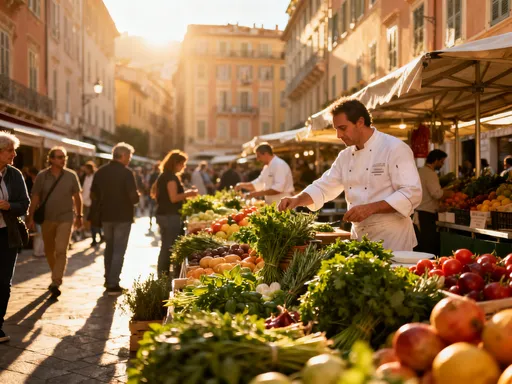
No visit to Monaco is complete without a morning walk through the Marché des Halles, a covered market in the heart of La Condamine. Open daily except Sundays, this vibrant space pulses with color, aroma, and sound. Stalls overflow with ripe figs, glossy eggplants, and baskets of wild asparagus, all sourced from nearby farms in the Alpes-Maritimes and coastal villages. The scent of rosemary, thyme, and basil drifts through the air, mingling with the briny freshness of just-caught seafood displayed on beds of ice. Vendors call out specials in rapid French, their voices rising above the chatter of locals selecting ingredients for lunch.
The market is more than a place to shop—it’s a social anchor for the community. Residents arrive early to exchange news, share recipes, and enjoy a café crème at the small brasserie tucked in the corner. Grandmothers teach grandchildren how to pick the ripest tomatoes; chefs from nearby restaurants negotiate for the day’s best fish. This daily ritual strengthens neighborhood bonds and preserves culinary traditions in a city often associated with wealth and exclusivity. The market democratizes access to high-quality food, offering fresh produce at prices that remain accessible to long-time residents.
Beyond Marché des Halles, smaller pop-up markets appear weekly in different quartiers. The farmers’ market in Fontvieille, held every Thursday, features organic growers from the surrounding region, while the Sunday market in Larvotto draws visitors with artisanal cheeses, olives, and freshly baked bread. These rotating events ensure that fresh food remains within walking distance of every neighborhood. They also transform underused spaces—parking lots, school courtyards, and public squares—into temporary food destinations, reinforcing the idea that dining is not confined to restaurants but woven into everyday life.
Hidden Corners with Big Flavors: The Rise of Micro-Restaurants
In a city where rent is among the highest in the world, traditional large-format restaurants are rare. Instead, Monaco has become a haven for micro-restaurants—tiny eateries that seat fewer than 20 guests but deliver outsized culinary experiences. Tucked beneath staircases, in converted storage rooms, or behind unassuming doors, these spaces challenge the notion that fine dining requires grand interiors. What they lack in size, they make up for in creativity, intimacy, and authenticity.
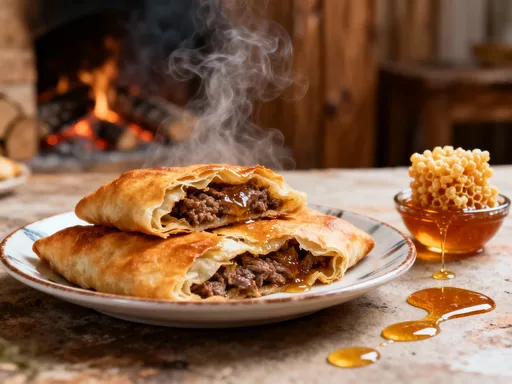
One such example is Le Petit Socca, a family-run spot in Monaco-Ville that fits only eight patrons at a time. Here, the focus is on the Provençal specialty socca, a chickpea flour pancake cooked in a wood-fired oven and served with a sprinkle of rosemary and black pepper. The owners, a mother and daughter team, greet every guest by name and often share stories of their grandmother’s recipes. There’s no menu—just whatever is fresh that day, prepared with care and served with pride. This personal touch transforms a simple meal into a memorable encounter, proving that luxury lies not in décor, but in connection.
Another standout is Bistrot des Halles, a narrow storefront adjacent to the market that offers a rotating menu based on daily market finds. The chef, trained in Michelin-starred kitchens, chooses to work in this modest space to stay close to ingredients and customers. Diners sit at a counter facing the open kitchen, watching as dishes like stuffed zucchini flowers and grilled octopus are plated with precision. The experience is casual yet refined, reflecting a growing trend in Monaco: dining that prioritizes flavor and authenticity over formality and price.
From Balcony to Bistro: How Residents Eat in the Sky
With land at a premium, Monaco’s residents have learned to live—and eat—vertically. High-rise living is the norm, but that doesn’t mean meals are confined to small kitchens or takeout containers. Instead, balconies, rooftops, and communal terraces have become essential extensions of the dining room. In the warmer months, it’s common to see families grilling fish or assembling salads on their balconies, their tables lit by strings of warm lights as the sun sets over the Mediterranean.
Many apartment buildings feature shared rooftop spaces equipped with grills, tables, and herb gardens. These areas are often reserved for residents, creating private yet communal dining zones where neighbors gather for summer barbecues, holiday meals, or casual wine nights. Some buildings even organize seasonal events, such as a September harvest dinner featuring produce from the rooftop garden or a December fondue night with traditional Alpine dishes. These gatherings help combat urban isolation, turning vertical living into a socially rich experience.
Communal kitchens are another innovation gaining popularity, particularly in newer residential complexes. These shared spaces allow residents without full kitchens—such as those in studio apartments—to prepare and enjoy meals together. Managed through building associations, they are equipped with ovens, stovetops, and long tables that encourage conversation and collaboration. For younger professionals and elderly residents alike, these kitchens provide more than just cooking facilities—they offer a sense of belonging in a city where personal space is limited but community can still flourish.
Harborfront Dining: Where the City Meets the Sea on a Plate
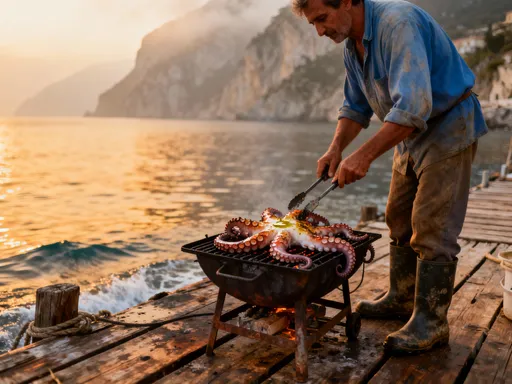
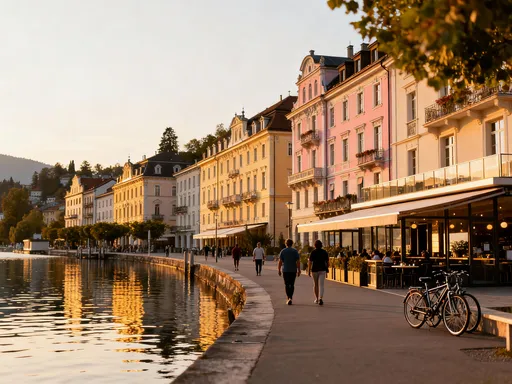
The Port Hercules waterfront is Monaco’s most iconic dining destination, where luxury yachts dock just steps from open-air restaurants serving some of the freshest seafood in the region. At sunset, the promenade comes alive with the clink of glasses, the sizzle of grills, and the soft hum of conversation. Tables are arranged along the quay, offering uninterrupted views of the harbor and the distant Alps. This is al fresco dining elevated—literally and figuratively—into an art form.
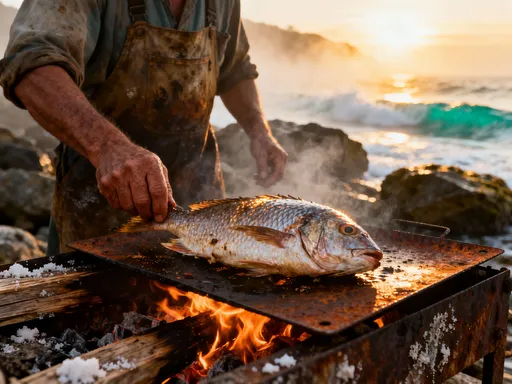
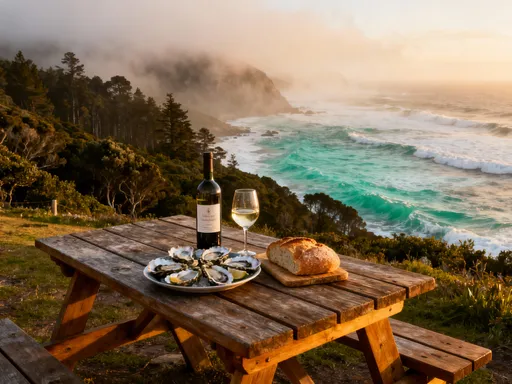
Restaurants like Le Deck and La Plage du Princes specialize in Mediterranean cuisine with a French-Italian twist. Menus feature dishes such as grilled sea bass with lemon and herbs, stuffed squid with pine nuts and raisins, and vibrant salads with local greens and Niçoise olives. Many chefs source their fish directly from the small fishing boats that return each morning, ensuring peak freshness. The proximity of the sea to the plate is not just a marketing slogan—it’s a daily reality in Monaco, where the line between ocean and kitchen is nearly invisible.
The design of these waterfront eateries enhances the experience. Retractable awnings provide shade during the day, while string lights and lanterns create a romantic ambiance at night. Some restaurants offer beach-level seating, where diners sit on cushioned loungers with low tables, eating with their feet in the sand. Others feature multi-level terraces that cascade down to the water’s edge, maximizing views and airflow. These thoughtful layouts make the most of the coastal setting, turning every meal into a sensory celebration of place.
Food as Urban Connector: Festivals, Pop-Ups, and Shared Tables
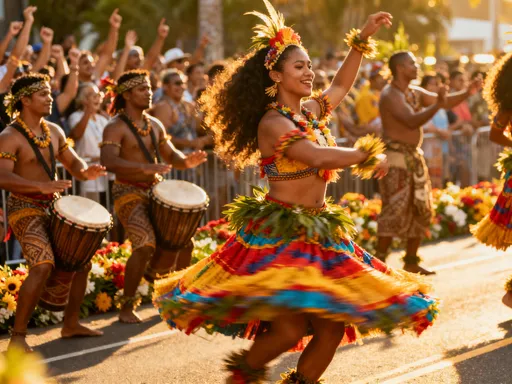
Throughout the year, Monaco transforms its public spaces into temporary food destinations through festivals and pop-up events. The most notable is Taste of Monaco, a multi-day celebration that brings together over 30 local restaurants to serve signature dishes in a central plaza. Attendees stroll from booth to booth, sampling everything from truffle risotto to lavender-infused crème brûlée, all while live music plays in the background. The event turns a formal square into a lively food village, drawing residents and visitors into a shared culinary experience.
Summer night markets are another highlight, held monthly in different neighborhoods. These events close off streets to traffic, replacing cars with food trucks, craft vendors, and long communal tables. Families bring blankets, children play nearby, and strangers strike up conversations over shared platters of grilled vegetables and local wine. The atmosphere is relaxed and inclusive, a rare moment when the city’s usual formality gives way to casual conviviality.
These gatherings serve a deeper purpose: they make high-quality food accessible and social. In a principality often perceived as exclusive, food festivals create democratic spaces where everyone is welcome. They also encourage interaction between locals and tourists, fostering mutual appreciation and cultural exchange. By temporarily reimagining the use of urban space, Monaco proves that cities can be both elegant and warm, luxurious and inclusive.
Eating Like a Local: Practical Tips for Navigating Monaco’s Culinary Maze
For visitors, experiencing Monaco’s food culture doesn’t require a private jet or a luxury budget. With a little planning, anyone can enjoy the city’s culinary offerings like a resident. Start with the markets—arrive early, between 8:00 and 10:00 a.m., when the produce is freshest and the crowds are light. Bring a reusable bag and a basic phrasebook; while many vendors speak English, a simple “Bonjour” and “Un kilo, s’il vous plaît” go a long way.
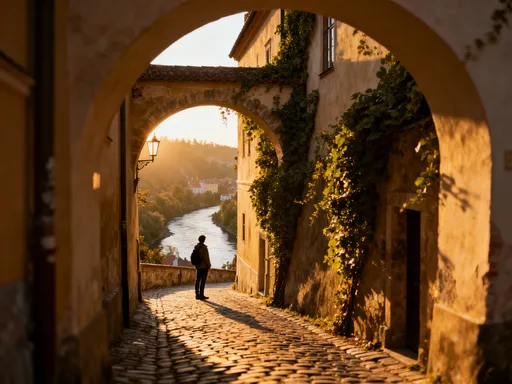
To find hidden eateries, walk beyond the main tourist zones. In Monaco-Ville, explore the narrow streets behind the cathedral; in La Condamine, follow the scent of baking bread to small bakeries with handwritten menus. Don’t be afraid to eat at lunchtime—many micro-restaurants offer affordable weekday menus that are significantly cheaper than dinner. Look for the phrase “menu du jour” to find three-course meals at reasonable prices.
Transportation within Monaco is efficient and eco-friendly. Free public elevators connect different levels of the city, making it easy to access hillside neighborhoods with great food views. The bus system is reliable, and many areas are walkable, especially along the waterfront. For those with mobility concerns, the city offers accessible routes and elevators at key points.
When dining, observe local etiquette: meals are meant to be savored, not rushed. Tipping is not mandatory, as service is usually included, but leaving a small coin for excellent service is appreciated. Dress is generally smart-casual—no need for formal wear, but avoid beach attire at sit-down restaurants. Most importantly, approach the food with curiosity and respect. Ask chefs about their ingredients, try dishes you’ve never heard of, and take time to enjoy not just the taste, but the setting and the company.
Monaco proves that great food doesn’t need vast space—just passion, creativity, and smart design. Its urban fabric doesn’t limit dining; it reimagines it. By turning every staircase, square, and seaside path into a place to savor, Monaco invites us to rethink how cities can feed both body and soul. The future of urban eating might just start here.