You Won’t Believe These Hidden Natural Escapes Around Strasbourg
Strasbourg is famous for its charming old town and stunning cathedral, but few realize the breathtaking protected natural areas just beyond the city. I was surprised to discover how easily you can swap cobblestone streets for quiet forest trails, bird-watching wetlands, and peaceful riverbanks. These green sanctuaries aren’t tourist traps—they’re real escapes where nature thrives. They offer a rare chance to slow down, breathe deeply, and reconnect with the rhythms of the natural world. Just minutes from the city center, a different Strasbourg unfolds—one of rustling reeds, glinting waterways, and woodland paths dappled with sunlight. Let me show you the side of Strasbourg most visitors never see.
Beyond the Postcard: Strasbourg’s Wilder Side
When most travelers think of Strasbourg, they picture half-timbered houses reflected in the Ill River, the soaring spire of the cathedral, and bustling markets in Place Kléber. Yet just a short bike ride or train journey from these postcard scenes lies a network of protected natural landscapes that rival the charm of the city itself. These areas—wetlands, floodplain forests, and riparian islands—are not afterthoughts but vital components of the region’s identity. They serve as ecological lungs, water filters, and havens for biodiversity, all while offering accessible retreats for those seeking calm and connection.
What makes these spaces so special is their proximity and authenticity. Unlike distant national parks requiring days to reach, Strasbourg’s natural escapes are woven into the fabric of daily life. Locals walk their dogs along forest edges, cyclists glide through tree-lined paths, and families picnic beside quiet ponds—all within easy reach of urban amenities. These areas are not preserved behind glass; they are lived-in, valued, and protected through regional cooperation and environmental awareness. The Grand Est region, where Strasbourg is located, has prioritized green infrastructure, recognizing that human well-being is deeply tied to healthy ecosystems.
Moreover, these natural zones offer something increasingly rare in modern travel: stillness. In a world of curated experiences and crowded attractions, the silence of a marsh at dawn or the rustle of leaves in a riverside forest provides a powerful counterbalance. The protected status of these lands ensures that they remain free from development and commercialization, preserving their integrity for future generations. For visitors, this means an opportunity to engage with nature not as a spectacle, but as a living, breathing presence.
Accessibility further enhances their appeal. Many of these areas are reachable by regional trains, buses, or dedicated cycling routes, making them ideal for eco-conscious travelers. The Vélo Route Rhin, for instance, connects Strasbourg to natural sites along the Rhine, allowing exploration without a car. Whether you're staying for a weekend or a week, incorporating a visit to one of these green sanctuaries enriches your understanding of Alsace—not just as a cultural gem, but as a region where nature and community coexist in harmony.
La Petite Camargue Alsacienne: A Wetland Wonderland
One of the most remarkable natural treasures near Strasbourg is La Petite Camargue Alsacienne, a protected regional nature park stretching along the Rhine floodplain. Despite its name, it has no connection to the southern Camargue—instead, it stands as a tribute to the rich wetland ecosystems found in this eastern corner of France. Spanning over 1,800 hectares, the park is a mosaic of marshes, reed beds, meadows, and oxbow lakes, all shaped by the seasonal rhythms of the Rhine River. This dynamic landscape supports an astonishing variety of plant and animal life, making it a paradise for nature lovers and photographers alike.
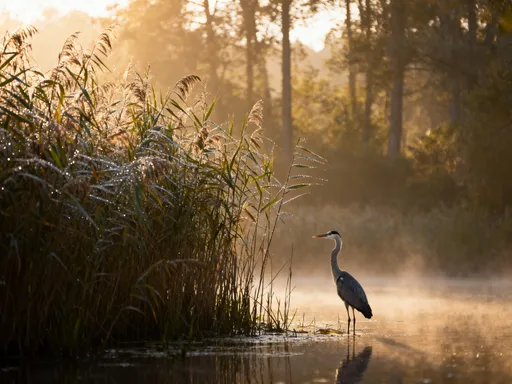
Birdwatching is perhaps the most rewarding activity here. Over 280 species have been recorded in the park, including herons, kingfishers, bitterns, and the elusive black-crowned night heron. In spring and autumn, migratory birds use the wetlands as a crucial stopover, filling the skies with flocks of ducks, geese, and waders. Early mornings are especially magical, when mist rises from the water and the calls of marsh warblers echo through the reeds. Observation hides and elevated boardwalks allow visitors to witness these moments without disturbing the wildlife, offering intimate glimpses into a delicate ecosystem.
The park is thoughtfully designed for visitors, with well-marked trails, informational panels, and guided tours led by naturalists. The main entrance at Reichstett offers a visitor center with exhibits on local ecology, seasonal events, and conservation efforts. From there, a network of flat, accessible paths winds through different habitats, making it suitable for families, seniors, and casual walkers. Biking is also popular, with designated routes that follow old dikes and former railway lines, providing panoramic views of the floodplain.
Each season paints the landscape in a different light. In spring, wildflowers bloom in the meadows, and tree frogs chorus in the ponds. Summer brings lush greenery and dragonflies darting over the water. Autumn transforms the reeds into golden waves, and winter, though quiet, reveals the stark beauty of frost-covered marshes and flocks of overwintering birds. For those seeking peace, late autumn and winter offer the most solitude, with fewer visitors and a meditative atmosphere.
To make the most of a visit, it’s best to arrive early, bring binoculars, and wear waterproof footwear—some paths can be muddy after rain. While there are no restaurants within the park, nearby villages like Gambsheim and Holtzheim have charming cafés serving local specialties. By supporting these small businesses, visitors contribute to the local economy while enjoying a taste of Alsatian hospitality. La Petite Camargue Alsacienne is not just a place to see—it’s a place to experience, slowly and respectfully.
The Rhine River Islands: Secret Forests in Plain Sight
Less known but equally enchanting are the forested islands that lie in the Rhine River between France and Germany. These narrow strips of land, formed by the river’s shifting channels, are part of a cross-border conservation effort that highlights the power of international environmental cooperation. Though they appear unassuming from a distance, these islands are dense with riparian forests—home to willows, alders, and poplars—and teem with life. Beavers have returned to build dams, otters occasionally leave tracks in the mud, and kingfishers dive for fish in the quiet backwaters.
One of the most accessible islands is Île de la Bruche, reachable via a quiet road from the village of Marckolsheim. Another, the Île du Rhin, can be approached from the French side near Drusenheim, where a bike path follows the riverbank. These areas feel remote, yet they are only a 30- to 40-minute drive from Strasbourg. The journey itself becomes part of the experience, as urban sprawl gives way to open fields, orchards, and the ever-present ribbon of the Rhine.
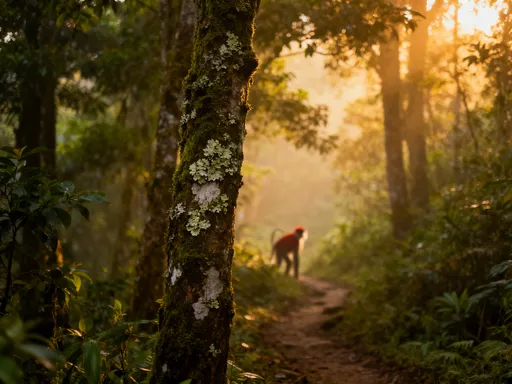
Walking through these islands is like stepping into a forgotten world. The air is cooler under the canopy, and the only sounds are the rustling of leaves, the gurgle of water, and the occasional cry of a cormorant. Fallen logs decay into the soil, mushrooms sprout on damp bark, and birds nest in hollow trees. The forest floor is soft with moss and leaf litter, and sunlight filters through in shifting patterns. It’s easy to imagine these woods unchanged for centuries, though in reality, they are carefully managed to maintain ecological balance.
What makes these islands particularly significant is their role in flood regulation and habitat connectivity. As part of the Rhine’s natural floodplain, they absorb excess water during high flows, reducing the risk of flooding in nearby towns. They also serve as wildlife corridors, allowing animals to move between forested areas on both sides of the river. This ecological function is the result of decades of restoration work, including the removal of levees and the reintroduction of native vegetation.
Visitors are encouraged to explore on foot or by bike, staying on marked trails to protect sensitive ground. Picnicking is allowed in designated zones, but open fires are prohibited to prevent damage. Because these islands lie in a transboundary zone, they symbolize more than just environmental protection—they represent peaceful collaboration between nations for a shared natural heritage. In a world often divided, these quiet forests stand as a quiet testament to what can be achieved when neighbors work together for nature.
Forêts de la Robertsau and du Mundat: Urban Meets Wild
Within the greater Strasbourg area, two forests stand out for their accessibility and ecological value: the Forêt de la Robertsau and the Forêt du Mundat. Though both are protected, they offer very different experiences, illustrating the diversity of natural landscapes in the region.
The Forêt de la Robertsau lies just north of the city center, bordered by residential neighborhoods and the Ill River. Once a royal hunting ground, it is now a beloved green space for Strasbourgeois. The forest is relatively small—around 400 hectares—but rich in biodiversity. It consists mainly of floodplain woods, with towering oaks, ash, and poplars that turn golden in autumn. A network of wide, well-maintained paths makes it ideal for walking, jogging, and dog walking. Birdwatchers may spot woodpeckers, nuthatches, and even red deer in the early morning hours.
Despite its proximity to the city, the Robertsau feels surprisingly wild. During spring floods, parts of the forest become temporarily submerged, mimicking natural river dynamics and supporting species adapted to wet conditions. This seasonal flooding is now managed to protect both the ecosystem and nearby homes, striking a balance between nature and urban life. Educational signs along the trails explain the forest’s history and ecology, making it a great destination for families and school groups.
In contrast, the Forêt du Mundat is a much larger and more remote woodland, located about 50 kilometers south of Strasbourg near the town of Haguenau. Covering over 10,000 hectares, it is one of the biggest forests in Alsace and part of a Natura 2000 protected area. Its terrain is varied, with pine plantations, beech groves, and heathland, shaped by both natural processes and centuries of forestry. Unlike the Robertsau, the Mundat feels truly secluded, with fewer visitors and a more rugged character.
The forest is famous for its biodiversity, including rare species like the black stork and the European wildcat. Mushroom foraging is a popular seasonal activity, with locals gathering cèpes, chanterelles, and hedgehog mushrooms in the late summer and autumn. However, foragers are reminded to follow local regulations—only certain species may be collected, and quantities are limited to ensure sustainability. Nature observation trails and birdwatching towers enhance the visitor experience, while minimal signage preserves the sense of discovery.
Both forests exemplify how protected areas can serve multiple purposes: conservation, recreation, and education. They are not isolated from human life but integrated into it, offering spaces where people can learn about nature while enjoying its beauty. Whether you seek a quiet stroll or a deeper immersion, the Robertsau and Mundat provide complementary ways to experience Alsace’s woodland heritage.
How to Visit Responsibly: Leave No Trace in Protected Zones
As more travelers discover Strasbourg’s natural escapes, the importance of responsible visitation grows. These areas are not theme parks—they are fragile ecosystems that depend on careful stewardship. A single act of carelessness, like leaving trash or straying from trails, can have lasting consequences. Therefore, every visitor has a role to play in preserving these spaces for future generations.
The first rule is simple: stay on marked paths. Trails are designed to minimize soil erosion, protect plant life, and avoid disturbing wildlife. Venturing off-path, especially in wetlands, can damage delicate vegetation and compact the soil, making it harder for water to drain. In forests, it can disturb nesting birds or trample rare fungi. By sticking to designated routes, visitors help maintain the ecological integrity of the area.
Another essential practice is to leave no trace. This means carrying out all litter, including food wrappers, tissues, and biodegradable items like fruit peels, which can introduce non-native seeds or attract animals to human food. Using reusable water bottles, picnic containers, and cloth bags reduces waste and sets a positive example. It’s also important to avoid picking plants or collecting natural souvenirs like stones or mushrooms unless permitted and done sustainably.
Dogs, while welcome in many areas, should always be kept on a leash. Unleashed dogs can chase wildlife, trample nests, or provoke defensive behaviors in animals like deer or ground-nesting birds. Even well-behaved dogs can stress wild animals through scent and presence. Responsible pet ownership enhances everyone’s experience and protects the animals that call these places home.
Visiting during off-peak hours is another way to reduce impact. Early mornings and weekdays tend to be quieter, allowing for a more peaceful experience while giving wildlife space to thrive. It also helps prevent overcrowding on narrow trails. Supporting local eco-initiatives, such as park entry fees, guided tours, or donations to conservation groups, contributes directly to maintenance and protection efforts.
Finally, education is key. Taking time to read informational signs, attend a guided walk, or learn about local species fosters a deeper appreciation and encourages mindful behavior. When visitors understand the value of what they’re seeing, they are more likely to protect it. Responsible tourism is not about restriction—it’s about respect, and it transforms a simple outing into a meaningful connection with nature.
Why Protected Areas Enrich Your Travel Experience
Some might see nature reserves as optional add-ons to a city trip, but they are, in fact, essential to a complete travel experience. They offer a different kind of sightseeing—one that engages the senses, calms the mind, and deepens cultural understanding. In Alsace, where the landscape has shaped centuries of agriculture, settlement, and tradition, spending time in protected areas reveals the foundation of the region’s identity.
These spaces invite a slower pace of travel. Instead of ticking off monuments, you pause to watch a kingfisher dive, listen to the wind in the reeds, or feel the cool air beneath the forest canopy. These moments of stillness are not empty—they are full of presence. Studies have shown that time in nature reduces stress, improves mood, and enhances creativity. For travelers, this means returning home not just with photos, but with a renewed sense of well-being.
Moreover, protected areas offer authentic encounters with local life. You might see a farmer grazing sheep on a floodplain meadow, a fisherman mending nets by the river, or a family foraging for mushrooms in the autumn woods. These quiet scenes reveal how people and nature coexist in Alsace, sustaining traditions that modern tourism often overlooks. By witnessing them, visitors gain a more nuanced understanding of the region beyond its postcard image.
The emotional resonance of these experiences is profound. A misty morning in La Petite Camargue, a deer stepping silently through the Robertsau, the distant call of a bittern at dusk—these are the memories that linger long after the trip ends. They are not staged or sold; they are gifts of presence and attention. In a world of curated content and fast-paced itineraries, such moments are rare and precious.
Protected areas also foster a sense of global citizenship. Seeing how Strasbourg and its neighbors care for wetlands, forests, and rivers inspires reflection on our own communities. They remind us that nature is not separate from us—it is part of our shared home. Travel becomes not just about seeing new places, but about cultivating a deeper relationship with the planet.
From Strasbourg to the Wild: Making the Most of Your Journey
As your time in Strasbourg comes to a close, consider this: the most memorable part of your trip might not be the cathedral or the Christmas market, but the quiet trail through the woods, the flash of a kingfisher’s wing, or the stillness of a mist-covered marsh. These natural escapes are not diversions—they are revelations, offering a fuller, richer experience of Alsace.
Plan at least one excursion into the region’s protected landscapes. Whether it’s a half-day at La Petite Camargue, a bike ride to the Rhine islands, or a forest walk in the Robertsau, let nature be part of your journey. Check local visitor centers for maps and seasonal advice, rent a bike from the city’s Vélhop network, or take a regional train to a nearby village and walk from there. These trips are not only accessible but affordable, making them ideal for families, solo travelers, and couples alike.
Remember, the goal is not to conquer miles or collect photos, but to be present. Slow down. Breathe. Listen. Let the landscape speak to you. In doing so, you honor not only the place but yourself. You return home not just with souvenirs, but with a sense of balance, clarity, and connection.
Strasbourg’s green soul is real, resilient, and waiting to be discovered. It doesn’t shout for attention—it whispers. And in that whisper, there is wonder. So step off the cobblestones, follow the path into the trees, and let the wild side of Alsace leave its quiet mark on your heart.