You’ve Never Tasted the Amalfi Coast Like This
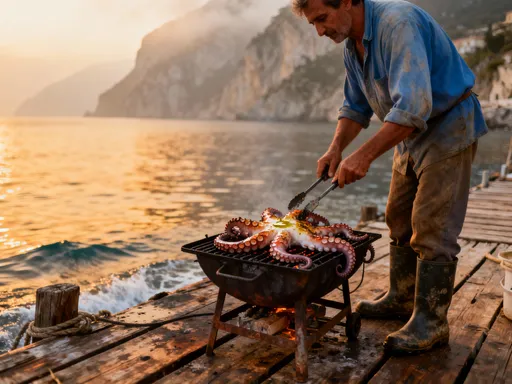
Most travelers know the Amalfi Coast for its postcard views and crowded seaside towns. But beyond the cliffs and cruise crowds, there’s a quieter, tastier side few ever reach. I wandered into hidden villages where nonnas still make cheese by hand and fishermen grill octopus on tiny docks. This is not the tourist menu—it’s the real flavor of the coast, passed down for generations. And it’s absolutely worth getting lost for.
Beyond the Postcard: Discovering the Amalfi Coast’s Culinary Soul
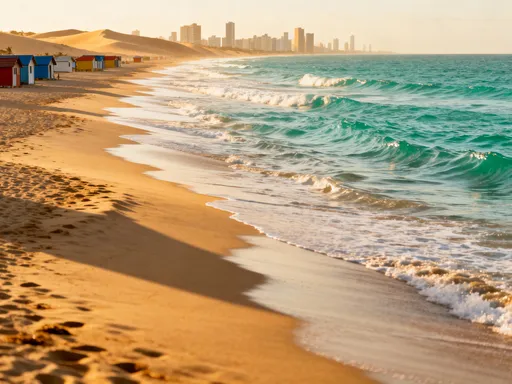
The Amalfi Coast is often celebrated for its dramatic cliffs, cascading bougainvillea, and pastel-colored villages clinging to the edge of the Tyrrhenian Sea. It’s a place that looks almost too perfect to be real, frequently featured in luxury travel magazines and honeymoon brochures. Yet behind the polished façade of popular resorts and scenic overlooks lies a deeper, more intimate truth: the soul of this region lives not in its vistas, but in its kitchens. The true identity of the Amalfi Coast is shaped by centuries of agricultural tradition, coastal fishing, and family-centered cooking that values patience, seasonality, and connection.
While tourists flock to Positano and Amalfi for gelato and photo ops, the heart of the region’s cuisine beats strongest in quiet hillside towns like Scala, Tramonti, and Nocelle—places without souvenir shops or cruise ship announcements. These are villages where food is not a performance for visitors but a daily rhythm of life. Meals begin at dawn, when bakers pull golden sfogliatelle from wood-fired ovens, and continue into the evening, when families gather around tables laden with hand-rolled pasta and sun-ripened tomatoes. The geography of the coast—steep terraces carved into mountains, narrow coastal inlets, and microclimates sheltered by limestone peaks—has shaped a cuisine born of necessity and ingenuity.
One summer morning, I arrived in Tramonti just as the fog lifted from the lemon groves. The air was thick with the citrusy perfume of Sfusato lemons, their weight bending the branches of trees trained along ancient stone walls. An elderly woman, her hands stained with soil, offered me a slice of lemon plucked straight from the tree. The burst of flavor—tart, floral, and deeply aromatic—was unlike anything I had tasted before. This was not fruit grown for export or squeezed into mass-produced limoncello. This was food rooted in place, grown with care, and shared without hesitation. In that moment, I understood: the real Amalfi Coast is not seen. It is tasted.
Fishing Villages That Time Forgot
Along the quieter stretches of the Amalfi Coast, where the roads narrow and the ferry stops become infrequent, lie fishing hamlets that have changed little over the past century. Places like Forio, on the island of Ischia, Marina del Cantone near the Sorrentine Peninsula, and Vietri sul Mare at the eastern edge of the coast offer a glimpse into a way of life that prioritizes tradition over tourism. These are not destinations designed for influencers or day-trippers. They are working communities where fishing boats return at dawn, nets heavy with the night’s catch, and where seafood is still cooked simply—grilled, boiled, or tossed into pasta with garlic, parsley, and a splash of white wine.
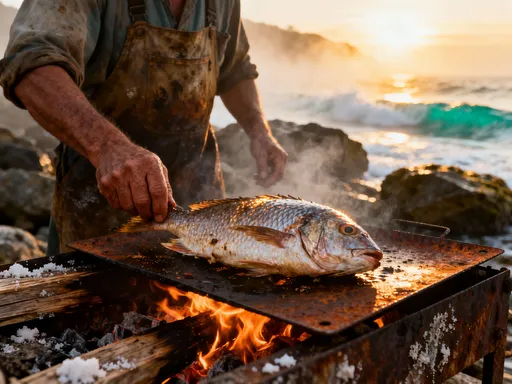
In Marina del Cantone, I watched a family transform their small dock into an open-air kitchen one evening. A father cleaned branzino while his daughter arranged squid on a rusted grill over glowing coals. There was no sign, no menu, and no prices listed. A wooden stool was offered to me with a nod, and soon I was handed a paper plate with scialatielli ai frutti di mare—a thick, hand-cut pasta tangled with clams, mussels, shrimp, and tender pieces of octopus. The sauce was light, fragrant with fresh herbs and the briny essence of the sea. This was not a restaurant. It was someone’s home, their livelihood, and their generosity in action.
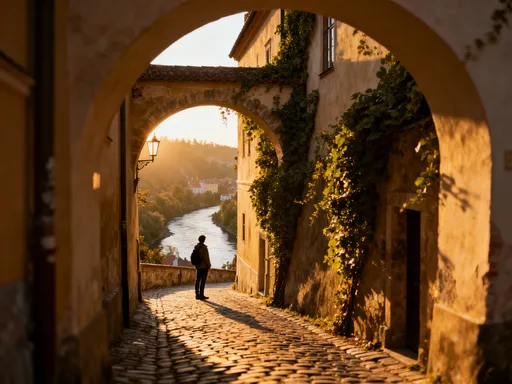
These unmarked, family-run grills are scattered along the coast, often operating out of fishing shacks or terraces above the water. They serve locals first, tourists second, and never compromise on freshness. To find them, one must travel beyond the main piazzas, arrive early in the evening, and be willing to eat without a formal setting. A smile, a respectful demeanor, and a willingness to wait are often the only requirements. Unlike the overpriced seafood ristorantes in Amalfi, where menus are written in six languages and portions shrink with the view, these hidden spots offer authenticity at every level—from the sourcing to the serving.
For travelers seeking real coastal flavors, the key is to avoid the busiest hours and bypass the obvious hotspots. Instead, take a local bus to a lesser-known cove, walk the shoreline at sunset, and follow the scent of grilled fish. Ask fishermen where they eat. Observe where locals gather. The best meals are rarely advertised. They are discovered through curiosity, patience, and a little luck.
Lemons That Define a Region
No ingredient captures the essence of the Amalfi Coast quite like the Sfusato Amalfitano lemon. This oblong, thick-skinned citrus fruit is not merely a flavoring agent—it is a cultural emblem, a source of pride, and a cornerstone of daily life. Grown on terraced gardens that climb the steep hillsides of Ravello, Maiori, and Minori, these lemons thrive in the region’s unique microclimate: mild winters, abundant sunlight, and soil enriched by volcanic ash from Mount Vesuvius. The result is a fruit with an intense aroma, low acidity, and a floral sweetness that makes it ideal for both culinary and medicinal uses.
While many visitors associate Amalfi lemons with limoncello, the liqueur served chilled after meals, the fruit’s role in local cuisine goes far beyond the bottle. In home kitchens, lemons are grated into pasta sauces, pressed into salad dressings, and baked into moist, fragrant cakes like delizia al limone. Their zest seasons fish dishes, their juice tenderizes meats, and their peels are candied or used to infuse olive oil. Even the leaves of the lemon tree are valued—steeped in hot water as a soothing tea or placed in drawers to scent linens naturally.
I visited a small orchard in Ravello, run by a family for over three generations. The owner, Signora Lucia, showed me how they harvest lemons by hand, using long poles with padded hooks to avoid damaging the delicate skin. “We don’t rush,” she said, placing a freshly picked lemon into my hands. “The fruit tells us when it’s ready.” She then led me to her kitchen, where her daughter was preparing a traditional dessert: crostata di limone, a buttery tart filled with a custard made from egg yolks, sugar, and fresh lemon juice. As I took my first bite, the balance of sweetness and tartness exploded on my tongue—a flavor so vibrant it felt like sunshine made edible.
Supermarket lemons, even those labeled “Amalfi,” often lack this depth. Many are grown in different regions, picked too early, or treated with preservatives that dull their natural qualities. To taste the real thing, seek out local producers who sell directly from their farms or at village markets. Look for farms that offer tastings or agriturismo experiences. The difference is not subtle. It is the difference between eating a memory and experiencing a legacy.
Grandma’s Kitchen: The Heart of Local Flavor
In Southern Italy, the kitchen is not just a room—it is the heart of the home, the keeper of tradition, and the place where history is passed from one generation to the next. Nowhere is this more evident than on the Amalfi Coast, where nonnas still rise before dawn to prepare meals that honor their ancestors. These women are not chefs in the modern sense. They have no formal training, no Instagram accounts, and often no written recipes. Yet their hands hold the knowledge of centuries—how to roll pasta so thin it melts on the tongue, how to layer eggplant in melanzane alla parmigiana so each bite is rich but not heavy, how to assemble sartù di riso, a baked rice timbale filled with peas, mushrooms, and bits of cured meat, just as their grandmothers did.
Some of the most memorable meals I’ve eaten on the coast were in small, unassuming trattorias run by women in their sixties and seventies. One such place, tucked behind a church in Atrani, had no website, no sign, and only four tables. The owner, Maria, greeted regulars by name and offered me a seat with a warm smile. Her menu changed daily, depending on what was fresh at the market. That evening, she served paccheri pasta with a slow-cooked tomato sauce infused with basil and a hint of chili, followed by a slice of homemade ricotta cake. As we ate, she shared stories of learning to cook at her mother’s side, of wartime shortages, and of how food has always been her way of caring for others.
These family-run kitchens are not part of the tourist economy. They exist to feed the community. Many do not accept reservations or credit cards. They open only for lunch or for a few hours in the evening. Finding them requires more than a guidebook. It requires walking the back streets, asking neighbors, and being open to serendipity. But the reward is immeasurable: a meal made with love, served without pretense, and rooted in a tradition that values nourishment over novelty.
When you eat in one of these kitchens, you are not just consuming food. You are participating in a ritual. You are welcomed, even if you don’t speak the language. You are offered seconds, even if you say you’re full. And you leave not just satisfied, but seen. This is the true meaning of Italian hospitality—not perfection, but presence.
Markets and Hidden Eateries Off the Tourist Trail
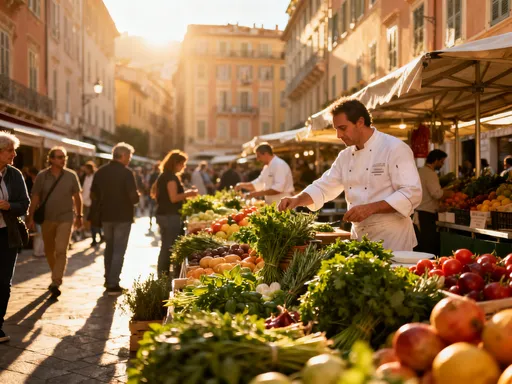
To understand the daily rhythm of life on the Amalfi Coast, one must visit its local markets. Not the souvenir stalls in Positano, but the modest, open-air markets in towns like Minori, Atrani, and Tramonti, where vendors display their harvests on wooden tables beneath striped awnings. These are places where relationships matter more than transactions. Shopkeepers remember what their customers like, offer samples without being asked, and wrap purchases in paper rather than plastic. The atmosphere is unhurried, the pace human.
In Minori’s market, I watched a cheesemaker unwrap rounds of fresh ricotta, still warm from the morning’s milking. “Try it with a little lemon zest,” he suggested, handing me a small spoon. The cheese was creamy, slightly sweet, and impossibly fresh. Nearby, a fishmonger displayed anchovies cured in sea salt, their silvery bodies glistening under the sun. “These are caught at night, just off the coast,” he said. “No refrigeration, no chemicals. Just time and salt.” I bought a small packet and later ate them on toasted bread with olive oil—a simple dish, but one that tasted of the sea and the sun.
Street food is another window into local life. In Atrani, I discovered a vendor selling fried zucchini blossoms, their delicate petals dipped in batter and crisped in olive oil. In Vietri, I found a stand offering cuoppo—paper cones filled with fried seafood, a tradition that dates back to Naples. These are not fancy dishes, but they are deeply satisfying, born of resourcefulness and a respect for quality ingredients. They are eaten standing up, often by workers on a break, and enjoyed with nothing more than a napkin and a view of the water.
For travelers who don’t speak Italian, these markets may seem intimidating. But a few simple phrases can open doors. “Buongiorno” and “grazie” go a long way. So does pointing, smiling, and showing genuine interest. Many vendors are happy to explain what they’re selling, offer a taste, or suggest how to prepare something at home. The key is to approach with respect and curiosity, not just as a consumer, but as a guest.
The Journey There Is Part of the Taste
One of the greatest lessons the Amalfi Coast teaches is that how you travel shapes what you taste. The most authentic culinary experiences are rarely found at the end of a private transfer or a crowded tour bus. They come after a hike along a sun-drenched trail, a bumpy ride on a local bus, or a slow ferry ride between sleepy villages. Slow travel—moving with intention, curiosity, and openness—unlocks flavors that fast tourism cannot.
I learned this firsthand while hiking the Sentiero degli Dei, the Path of the Gods, which winds along the cliffs between Bomerano and Nocelle. The trail offers breathtaking views of the coast, but its true reward comes at the end: a small kiosk run by an elderly couple who serve homemade lemon granita, cold coffee, and freshly baked taralli. I sat on a wooden bench, sweating from the climb, and sipped the granita through a straw. The icy, lemony syrup was tart and refreshing, made with lemons from their own grove. It was the kind of moment that cannot be scheduled or rushed. It had to be earned.
Public ferries offer another way to discover hidden flavors. Unlike tourist boats that stop only at major ports, local ferries connect smaller villages where restaurants cook for residents, not Instagram. A ride from Amalfi to Maiori might lead to a family-run osteria where the owner brings out a complimentary plate of fried olives. A trip to Conca dei Marini could reveal a bakery where sfogliatelle are still made the old way, with layers of flaky dough and sweet ricotta filling.
To make the most of this kind of travel, timing is essential. Arrive early in the morning or late in the afternoon to avoid the midday rush. Use local transport apps to check ferry and bus schedules. Pack light, wear comfortable shoes, and carry a reusable water bottle. The journey may be slower, but the rewards—both culinary and emotional—are far greater.
Preserving Authenticity in the Age of Overtourism
The Amalfi Coast faces a growing challenge: how to preserve its culinary traditions in the face of overwhelming tourism. Each year, millions of visitors arrive by cruise ship, helicopter, and luxury car, drawn by the region’s beauty and fame. While tourism brings economic benefits, it also threatens the very authenticity that makes the coast special. Restaurants catering to mass tastes simplify menus, import ingredients, and prioritize speed over quality. Local producers struggle to compete with cheaper, mass-produced alternatives. And the rising cost of living pushes long-time residents out of historic centers.
Yet there is hope. Across the region, small farmers, fishermen, and home cooks are working to protect their heritage. They grow heirloom tomatoes, raise free-range chickens, and produce cheese using methods passed down for generations. They open their homes to travelers who want to learn, not just consume. And they remind us that food is not just fuel—it is culture, memory, and identity.
Travelers can play a role in this preservation. Choosing to eat at family-run trattorias, buy from local markets, and support small producers helps sustain these traditions. Asking questions, showing appreciation, and eating with mindfulness are small acts that make a difference. Even skipping the most crowded spots and visiting during the shoulder season can reduce pressure on local resources.
Ultimately, the real taste of the Amalfi Coast is not just about what is on the plate. It is about how that food came to be—the hands that grew it, the time it took to prepare it, and the stories behind it. By choosing to savor deeply—by eating with respect, curiosity, and joy—we become part of that story. We honor the past and help ensure it has a future.
The Amalfi Coast’s greatest luxury isn’t a five-star hotel or a cliffside selfie—it’s a plate of pasta rolled by hand, served with a smile in a kitchen untouched by time. By stepping off the beaten path, we don’t just discover better food. We connect with a way of life where flavor means history, hospitality, and heart. The real taste of the coast is waiting—not on the map, but in the moments between bites.